

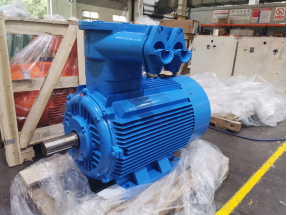
With the continuous upward trend in global copper prices, material costs have become an increasingly important factor in motor selection and system design. As copper is a key raw material in conventional electric motors, especially in windings and rotors, rising copper prices are accelerating the industry’s search for alternative solutions. In this context, Permanent Magnet Synchronous Motors (PMSMs) are gradually emerging as a new market demand rather than merely a technical option.
1. Reduced Dependence on Copper Resources
One of the most compelling reasons PMSMs are gaining attention is their significantly lower dependence on copper. Unlike three-phase induction motors, PMSMs use permanent magnets to generate the rotor magnetic field, eliminating the need for rotor current and rotor copper conductors. This structural advantage directly reduces copper consumption and mitigates the impact of copper price fluctuations on manufacturing costs.
2. Enhanced Energy Efficiency and Cost Effectiveness
PMSMs are known for their high efficiency, mainly due to the absence of rotor copper losses. Higher efficiency leads to lower power consumption, reduced heat generation, and improved overall system performance. Under conditions of rising material and energy costs, these efficiency gains translate into tangible economic benefits over the motor’s operating life, making PMSMs an increasingly attractive choice from a total cost of ownership perspective.
3. Compact Design and Higher Power Density
The efficient electromagnetic design of PMSMs allows for higher torque and power density compared with traditional motor types. This enables more compact motor designs that require less stator copper and smaller mechanical structures. In practical applications, this not only reduces material costs but also lowers installation, cooling, and maintenance requirements.
4. Better Adaptation to Modern Drive Systems
As variable frequency drives and intelligent control systems become standard in industrial applications, PMSMs demonstrate superior compatibility with advanced control technologies. Precise speed and torque control reduces unnecessary current flow, further minimizing copper losses and improving operational efficiency—an important advantage when copper costs are under pressure.
5. From Cost Pressure to Market Demand
While permanent magnets introduce their own material considerations, the overall reduction in copper usage, combined with efficiency and reliability benefits, positions PMSMs as a strategic response to rising copper prices. What was once viewed as a high-end or specialized solution is now increasingly seen as a new demand driven by market economics, regulatory pressure, and long-term operational cost optimization.
In the trend of rising copper prices, Permanent Magnet Synchronous Motors are no longer just an alternative motor technology—they represent a growing market demand. By reducing copper dependency, improving efficiency, and offering superior lifecycle performance, PMSMs align well with the evolving priorities of manufacturers and end users seeking cost stability, energy savings, and sustainable development.
Post time: Dec-25-2025