

Motor products must meet both mechanical and electrical requirements. While electrical requirements (e.g., insulation performance, current, voltage) are widely focused on, the reflection and testing of mechanical characteristics have long been overlooked—especially by manufacturers adopting an outsourced component production model, which further weakens their attention to mechanical performance.
To ensure the 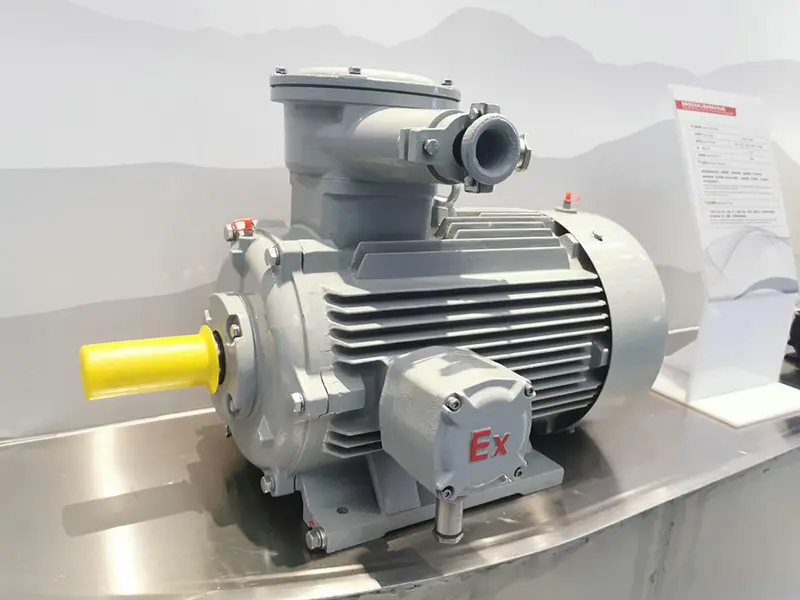 mechanical safety of
mechanical safety of motor operation, its mechanica l strength is assessed through 8 key tests: overspeed test, short-time over-torque test, impact test, terminal box static pressure test, inlet thread pipe strength test, terminal test, lifting device test, and lead flexible cable clamping test. Some tests can be verified during component manufacturing, while others require the complete motor unit (even energized in some cases).
Key test criteria include: After overspeed testing, rotating parts must have no permanent deformation or operational defects (critical for wound rotor motors, whose speed is inherently limited); polyphase induction and DC motors must withstand 1.6x rated torque for 15 seconds without sudden speed changes or stalling; impact testing for non-metallic enclosures must not affect usability or electrical clearance/creepage distance (explaining why export motors often require cast iron/thick steel terminal boxes instead of thin steel); lifting device tests (on complete units) must ensure load-bearing capacity and lifting directionality.
In conclusion, motor mechanical characteristics are equally critical to electrical performance for stable and safe operation. As industrial automation advances and high-reliability demands grow (e.g., aerospace, new energy), manufacturers must prioritize mechanical strength testing. Strict implementation of these tests and optimized component design will enhance motor quality and service life, better meeting market and customer needs.
Post time: Dec-31-2025